Better is proud to be working alongside the National Literacy Trust as a major campaign partner of the National Year of Reading, using our network of over 250 leisure centres, pools, gyms, and libraries to help improve literacy and foster a love of reading across the UK.
To mark our partnership, we surveyed 2,000 UK adults to ask how, when and why they read, and what role books play in their sporting lives. Our research covers 1,000 people who regularly take part in sport or exercise, alongside a nationally representative sample of 1,000, with findings broken down across 18 different sports and activities.
From golfers who read half the month away to runners who turn to books as a primary recovery tool, the data paints a picture of a sporting Britain that is as hungry for a good book as it is for a personal best or winning result.
For those who play sports regularly, our research reveals that reading reduces stress and anxiety, aids sleep and recovery, and sharpens focus, among many other benefits. For millions of people in Britain, it has become a big part of their sporting routine, with over a third choosing a book to help switch off and recover mentally after a hard session.
Reading for recovery
Our research suggests that for active Brits, books have become an important part of their recovery routine, with more than a third of people who regularly exercise turning to reading after sport (36%), more than those who scroll social media (27%), turn to gaming (15%), or meditate (12%).
When asked what they get out of it, an impressive 37% said reading helps them switch off and recover more effectively, 35% say it improves their focus and concentration, and nearly one in four (23%) say reading helps their motivation levels. Additionally, 21% use it as a tool to decompress after sport through mental recovery, and 14% say it has helped them develop their understanding of strategy and tactics in their favoured sport.
Over half of active adults (55%) say reading reduces their stress and anxiety, and with active Brits averaging just over seven hours of reading a month, most of it in the evening, it's clear that books have become a quiet but powerful part of how people rest and recuperate.
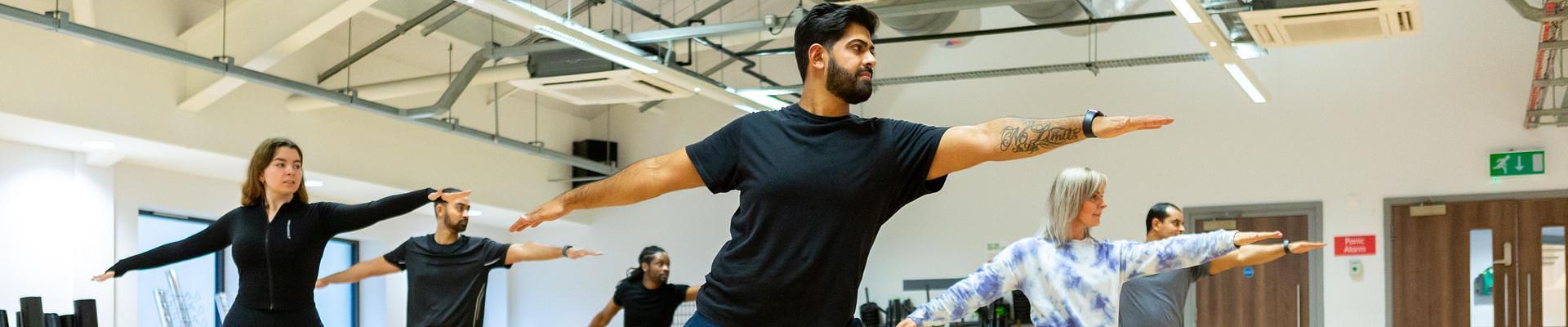
What Britain's sporting communities are reading
The data reveals striking differences in how different sporting communities approach reading, from the genres they love to the formats they prefer and the times they read most.
Golf: Britain's most dedicated readers
Golf: Britain's most dedicated readers
Our research says: 50% of golfers read 10+ hours per month
Half of all golfers read for more than 10 hours every month, which is more than any other sporting group. With an average of 8.1 hours of reading per month, golfers are consistently the UK's most committed readers, as mystery (36%) and history books (38%) are most common on their bookshelves.
Running: The cool-down chapter: runners have found a new recovery routine
Our research says: 45% of runners use reading to recover after sport
Almost half of runners (44%) say they use reading to switch off and recover mentally after exercise, among the highest rates of any sport we surveyed. Whether it's a book before bed or an audiobook during the run itself, reading has become part of the recovery toolkit for Britain's running community, with 43% saying it improves their sleep, and 47% saying it improves their focus and concentration.
Yoga and Pilates: Yoga practitioners are among Britain's heaviest bookworms
Our research says: 76% who do yoga and Pilates prefer physical books
The connection between mindfulness and reading is clear among yoga and Pilates practitioners. Nearly half (46%) read more than 10 hours a month, physical books dominate their format choices at 76%, mystery fiction leads their genre preferences (37%), and the majority say reading reduces stress and anxiety for them (58%).
Football: Footballers read sport books, and they read them obsessively
Our research says: 38% of footballers say sports books is their top genre
Football is the only major sporting group where sports books top the genre chart, with almost 40% listing them as a favourite. They're also among the most likely to read during exercise (18%), suggesting audiobooks are already woven into training and commuting routines. Reading to improve focus and motivation ranks higher than any other benefit they cited (55%), but they also use reading to motivate them (47%) and to learn strategy and tactics (33%).
Tennis: Tennis players are Britain's biggest champions of the physical book
Our research says: 85% of tennis players choose physical books as their favourite medium
A remarkable 85% of tennis players choose physical books as their preferred reading format, which is the highest of any sport. They're also the group most likely to read at lunchtime, with nearly half doing so regularly, and their genres of choice include history, true stories, sports, and self- improvement (all 20%).
Gym & Weightlifting: The gym bag has a new essential… the e-reader
Our research says: 30% who go to the gym use an e-reader, the highest of any sport
Gym-goers and weightlifters have the highest e-reader adoption of any sporting group, at 30%. perhaps reflecting the convenience of a device that fits easily into a gym bag. 39% read more than 10 hours a month, placing gym-goers among Britain's more dedicated readers, and 60% of them say reading reduces stress and anxiety, which is the highest of any sport.
In summary
The picture that emerges from our research is one of a sporting Britain that already understands the value of reading, not as an escape from active life, but as an extension of it. At Better, we believe that leisure centres and libraries belong together for exactly this reason. So whether you're cooling down after a swim, unwinding after a gym session, or looking for your next great read, we're here to make both as accessible as possible.