



Wellbeing With Better
Summary
Wellbeing with Better is a structured 10-week activity programme ran at Sudbrooke Drive Community Centre, with the aim to help people build confidence, improve their mental wellbeing, and combat social isolation. Participants took part in a weekly activity session at the community centre, as well as having 12 weeks free access to Yarborough and Birchwood Leisure Centres where they could take part in using the gym, pool and group exercise classes to encourage independent physical activity.
We worked with social prescribers, City of Lincoln Council and the Ermine Exchange, as well as promotion through our social media to sign up a total of 12 people onto the programme. Participants had an initial phone call to discuss the programme and any potential health conditions/ barriers they may be facing, and to get them prepared and comfortable for the first session.
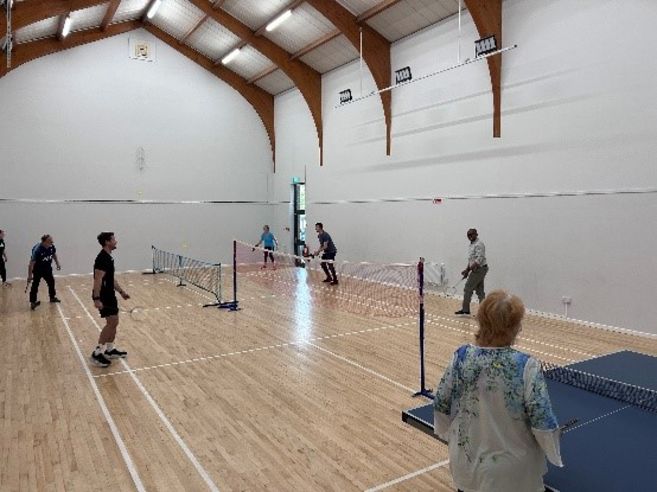
Throughout the 10 weeks, activities included chair-based exercise, Pickleball, Table tennis, Badminton, as well as North Hykeham Ta Kwon Doe coming in to run a beginner’s session.
Programme Objectives
All the sessions were designed to be accessible, adaptable, and welcoming for all abilities however with the aim to improve mental and physical wellbeing. We specifically wanted to work with social prescribers to allow us to reach the people who we felt could benefit most from the programme, mainly aiming at individuals who:
Currently inactive or struggle to maintain regular physical activity
Living in areas of deprivation
Maybe experiencing social isolation, loneliness, or low confidence
Wanted to improve their mental wellbeing in a supportive, non‑judgemental setting.
Methods and Measurement
To be able to monitor progress, we did basic health checks consisting of height & weight, blood pressure & resting heart rate, as well as IPAQ (International Physical Activity Questionnaire) and EQ‑5D (Quality of Life measure). With taking these measurements at the start and end of the programme, we gained the following results of those who answered on both week 1 and 10:
- 100% said that their confidence in taking part in physical activity increased.
- 90% ranked their overall health and wellbeing higher.
- 100% increased their physical activity, either within the leisure centres or outside of.
- 50% lost weight.
- 90% saw a reduction in either their blood pressure or resting heart rate.
Participation and Engagement
As anticipated, attendance varied throughout the ten weeks due to the nature of the target audience, many of which were experiencing low confidence, poor mental wellbeing or other personal barriers (such as health conditions) to engaging in regular physical activity. However, participants who remained engaged demonstrated significant improvements in confidence, physical activity levels and overall health.
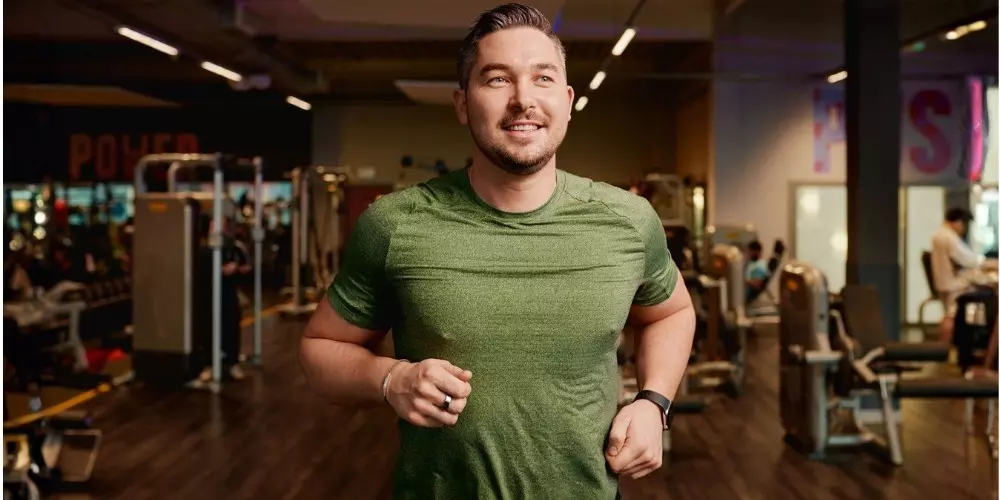
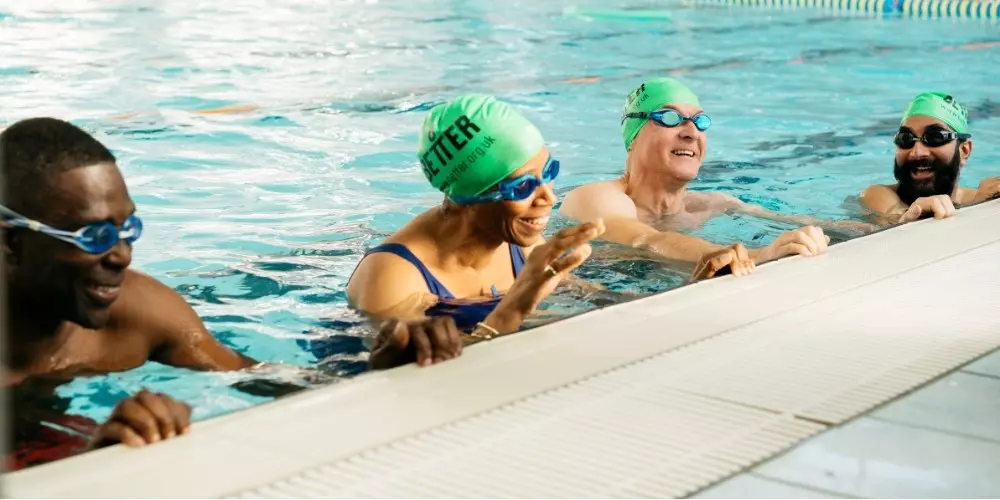
During the programme, 6 of the 12 participants accessed the leisure centre facilities, predominantly using water-based activity and classes. We currently have 1 of those who has signed up now that the funded 12 weeks has come to an end, with 2 others who are wanting to sign up after the Summer, due to now taking part in Cricket outdoors.
What Worked Well
The combination of community-based activities and leisure centre access provided participants with both structured support and opportunities to become active independently. The varied programme of activities helped maintain interest, while the welcoming and inclusive environment enabled participants to build confidence, develop social connections and try new forms of physical activity.
Partnership working with City of Lincoln Council, The Ermine Exchange and local social prescribers helped reach individuals who were most likely to benefit from the programme.
Opportunities for improvement
Although the community venue provided a comfortable introduction to physical activity which was local and familiar to participants, delivering future programmes directly from the leisure centre may help participants become familiar with the facilities from the outset. This could reduce the barrier of attending the leisure centre independently and increase ongoing usage once the programme has finished.
A stronger and more consistent relationship with social prescribers will also be developed to improve referral numbers, participant engagement and attendance. Closer communication throughout programme delivery will help ensure referrals remain appropriate and participants receive continued encouragement to attend.
Overall, the programme demonstrated that combining supported group activity with access to leisure facilities can lead to meaningful improvements in confidence, physical activity and health, while also encouraging participants to continue being active beyond the life of the programme.